Home Inspection Checklist: What Buyers Should Look For

What Should Be on Your Home Inspection Checklist?
What should be on your home inspection checklist, and how do you know if you are focusing on the right things? If you are preparing to walk through a home you might buy, it is easy to get distracted by paint colors and staging while missing the details that actually matter. Between aging systems, hidden damage, and issues that are not obvious on a quick showing, knowing what to look for can save you from costly surprises after closing. Did you know that some of the most expensive problems in a home are the ones buyers never think to check? The good news is that with a clear checklist and the right questions, you can walk into any inspection feeling prepared instead of overwhelmed.
On this blog, we will walk you through what to look for during a home inspection, so you can make an informed decision and avoid surprises down the road. Whether you are a first-time buyer or purchasing your next home, these considerations will help you know exactly what to pay attention to.
Start With the Major Systems
One of the most important parts of any home inspection is getting a clear picture of the systems that are expensive to repair or replace. A roof, HVAC system, plumbing, or electrical panel in poor condition can turn into a major expense soon after move-in, so these deserve close attention before anything cosmetic.
A good major systems review should include: Roof age, visible wear, and signs of leaks or water damage HVAC system age, maintenance history, and whether it is heating and cooling properly Plumbing for leaks, water pressure issues, or outdated materials Electrical panel capacity, wiring age, and any visible safety concerns
Check the Foundation and Structure
Nothing raises more red flags for buyers than structural issues, so it is worth taking the time to look closely. Cracks in the foundation, uneven floors, doors that stick, or gaps around windows can all point to settling or more serious structural concerns. A crack alone is not always a dealbreaker, but a pattern of them is worth having a professional evaluate further.
Look for Signs of Water Damage
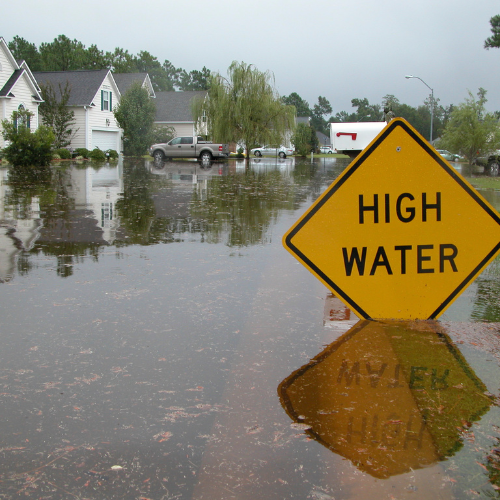
Buyers remember how water damage affected their decision long after the showing is over. Stains on ceilings, a musty smell in the basement, or peeling paint near windows can all point to past or ongoing moisture problems. Being alert to these signs early helps you ask the right questions before you are too far into the process to walk away.
Pay Attention to Age and Maintenance
Sometimes the most useful information is not something you can see, it is something you have to ask about. Consider requesting details on:
- The age of the roof, water heater, and major appliances
- Any past repairs, renovations, or permits pulled on the home
- Regular maintenance records, if the seller has kept them
Knowing the history of a home gives you a much clearer sense of what to expect in the next several years, rather than guessing based on appearances alone.
Bring In a Professional Inspector Early
Market conditions shift, and buyers are far more likely to catch important issues when they bring in a licensed inspector rather than relying on a general walkthrough. Getting an expert opinion on the home’s condition, not just a visual impression, helps you understand what repairs may be needed and what they are likely to cost. A thorough inspection early on can go a long way toward avoiding costly surprises later.

Make the Comparison Simple
Buyers are far more likely to move forward confidently when the inspection findings are easy to understand. If reviewing a report means sorting through technical language and guessing at what matters most, some buyers end up overlooking real issues or overreacting to minor ones. Getting a clear summary of what needs attention now versus what can wait removes that guesswork and makes your next step clear.
Use a Real Estate Agent to Understand Your Options
Missing the full picture of a home’s condition is one of the most common ways buyers run into trouble after closing. A real estate agent can help you interpret the inspection report, prioritize what matters, and negotiate repairs or credits with the seller, so you always know where you stand before you commit.
Take the Next Step in Buying Your Home with A-Line Realty
When you take the time to walk through a proper home inspection checklist, everything else about the buying process gets easier. By reviewing the major systems, checking the foundation, watching for water damage, and asking about maintenance history, you can move forward with a plan that protects your investment and your peace of mind.
A little diligence now can save you a lot of expense later, and it helps you buy with more confidence too.
If you are ready to find the right home and know exactly what to look for, A-Line Realty is here to help. Our team can walk you through the inspection process and help you feel confident in your next move. Reach out to A-Line Realty today and take the next step toward buying your home the smart way.
0 Comments