
How to Winterize Your Rental: 5 Tips Every Landlord Should Know
How Do You Winterize Your Rental?
Winterize your rental before the first freeze hits, not after a pipe bursts at 2 a.m. Are you a landlord who keeps meaning to get the property ready for cold weather but never quite gets around to it? You are not alone. Winter prep is one of those jobs that is easy to put off because everything looks fine in October. Did you know that a lot of winter damage, like frozen pipes, ice dams, and heating breakdowns, can be avoided with a few simple steps taken ahead of time? It is not about spending a lot of money, it is about knowing what to check before the weather turns.
On this blog, we are going to walk you through five simple things you can do to winterize your rental this season. None of these tips require you to be a contractor or spend a whole weekend on a ladder. They are things any landlord can do, whether you own one rowhome or manage several units. Some of it is about stopping heat from escaping, some of it is about protecting your pipes, and some of it is about keeping good communication with your tenants. By the end of this, you should have a clear checklist for protecting your property, your budget, and your tenants all winter long.
1. Seal Drafts and Add Insulation
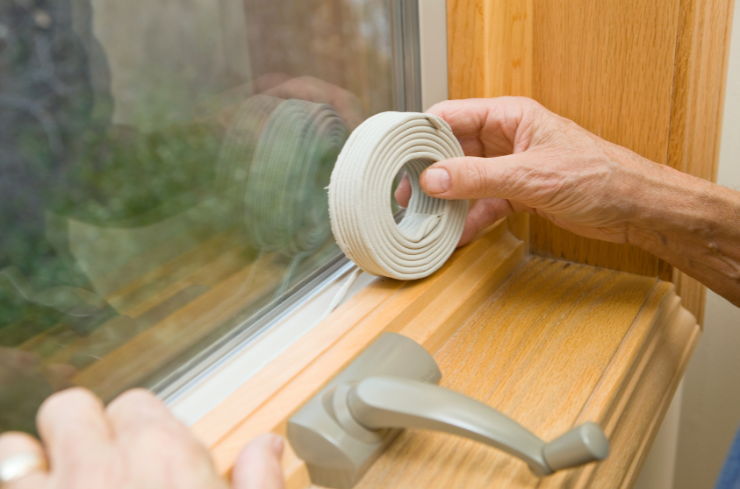
Drafty windows and doors are one of the biggest sources of wasted heat, and tenants notice them right away. Walk through the unit and check around windows, exterior doors, and any spot where pipes or wires enter the walls. Fresh caulk and weatherstripping are cheap fixes that make the unit warmer and help keep heating bills down. If you have access to the attic or basement, check the insulation there too. A few small repairs now can mean fewer complaints and lower energy costs for the whole winter.
2. Protect Your Pipes From Freezing
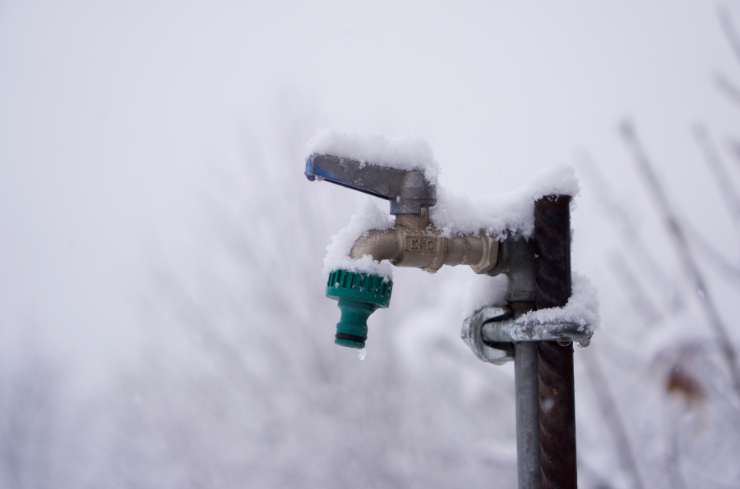
Frozen pipes are one of the most expensive winter problems a landlord can face, and they often happen in places no one looks at every day. Insulate any exposed pipes in basements, crawl spaces, and exterior walls. Disconnect outdoor hoses and shut off the water to outside faucets if you can. Make sure you and your tenants know where the main water shutoff is, because acting fast can save thousands in damage. If a unit is vacant, keep the heat on at a low but steady temperature instead of turning it off completely, since a cold empty unit is where pipes tend to freeze first.
3. Service the Heating System Before You Need It
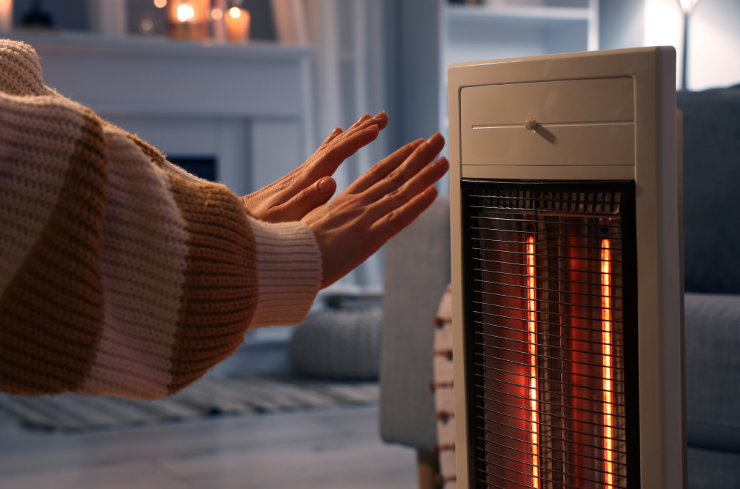
A heating system that fails in the middle of a cold snap is stressful for everyone, and emergency repair calls cost more than routine service. Have your furnace or boiler inspected and serviced before winter, and replace filters so the system runs the way it should. This is also a good time to test smoke detectors and carbon monoxide detectors and replace batteries where needed. Many cities require landlords to provide working heat during colder months, so a quick check now helps you stay on the right side of the rules and keeps your tenants safe and comfortable.
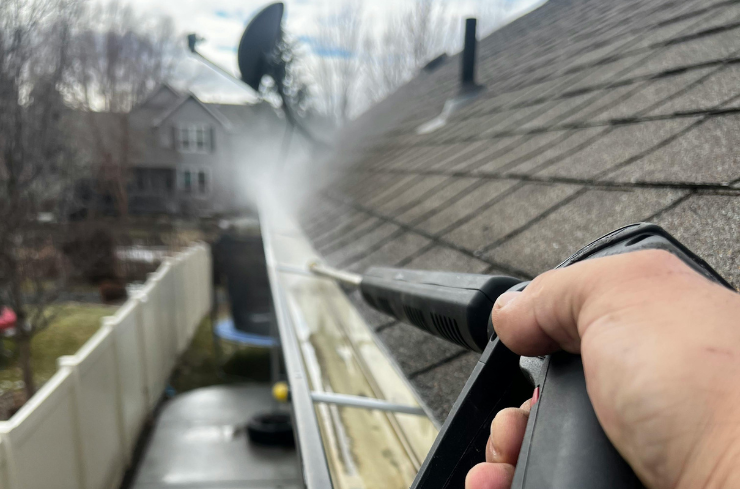
4. Clear the Gutters and Check the Exterior
Clogged gutters can cause water to back up and freeze, which leads to ice dams, roof leaks, and damage to walls and ceilings. Clean out the gutters and downspouts once the leaves have fallen, and look over the roof for loose or missing shingles. Trim back any tree branches that hang over the roof or near the building, since heavy snow and ice can bring them down. Also look at steps, railings, and walkways. Loose handrails and uneven surfaces become real hazards when they are covered in ice, and many cities have rules about who must clear snow and ice from the sidewalk, so check your local requirements and make sure your lease spells out who is responsible.

5. Talk to Your Tenants Before the Cold Arrives
Your tenants are your first line of defense against winter damage, because they are the ones living in the unit every day. Send a short note in the fall with a few simple winter tips, like keeping the heat on at a steady temperature, opening cabinet doors under sinks during very cold nights, and reporting leaks or strange noises right away. Make sure they know how to reach you or your property manager in an emergency, and remind them where the water shutoff is. A little communication now means small problems get reported early instead of turning into big repairs.
A Simple Way to Check Yourself
Before the first freeze, ask yourself these three things.
Have I had the heating system inspected and checked the smoke and carbon monoxide detectors?
Do my tenants and I both know where the water shutoff is and who to call in an emergency?
Have I sealed drafts, insulated exposed pipes, and cleared the gutters and walkways?
If you can answer yes to all three, you are in a strong position heading into winter. If one of those answers is no, that is the piece worth working on this week, before the cold makes the decision for you.
What This Means for Landlords
You cannot control the weather, but you can control how ready your property is for it. Landlords who winterize early tend to deal with fewer emergency calls, lower repair bills, and happier tenants than those who wait until something goes wrong.
Preparing your rental does not guarantee nothing will break. It just means you are not leaving the outcome entirely up to chance.
Want help keeping your rental protected all year long? A-Line Realty can help with inspections, maintenance coordination, and tenant communication so you are never caught off guard. Contact Nicole@alinerealty.com.
0 Comments