
Should You Rent It Out or Sell Your House? Here’s How to Decide
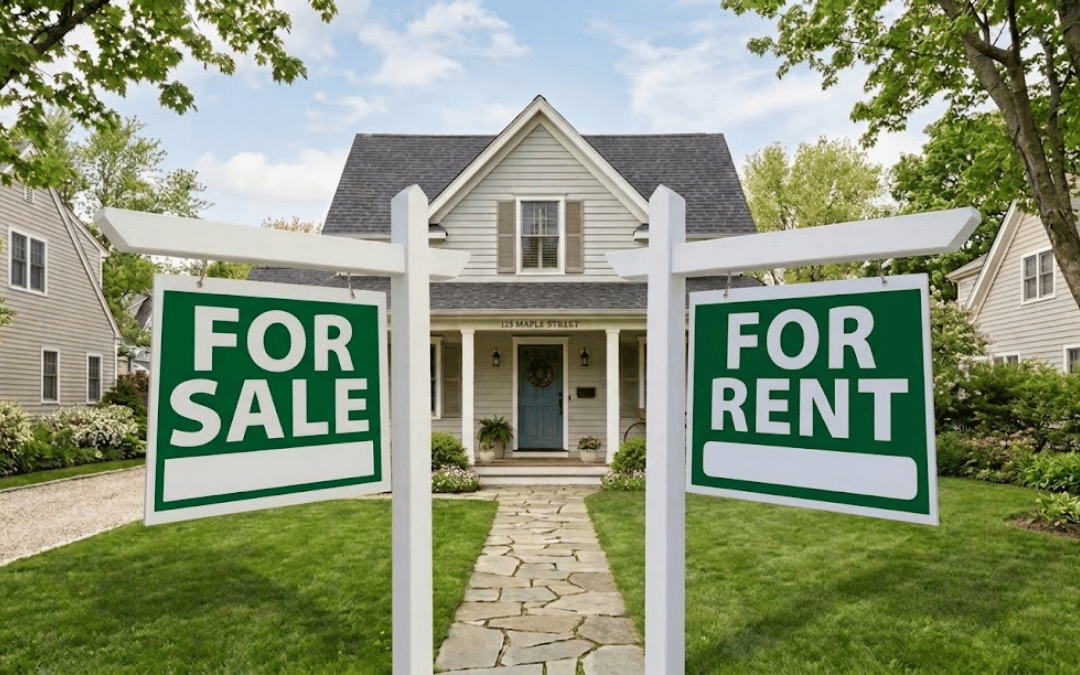
Should I Rent or Sell My House? Here’s What to Consider
“Should I rent or sell my house?” It’s one of the most common questions homeowners face once they decide it’s time to move on from a property, and choosing between the two paths is one of the biggest decisions you will make along the way. It is rarely as simple as picking whichever option sounds more comfortable. One path might hand you a lump sum you can use right away, while the other could build long-term wealth through monthly income and equity growth, but only if you’re ready for the responsibilities that come with being a landlord.
Did you know that a home that seems like a great rental on paper can actually cost you money once you factor in vacancies, repairs, property management fees, and the time it takes to find reliable tenants? Most homeowners don’t realize how different these two roads really are until they’re standing at the fork, trying to decide which way to go. On this blog, we’ll walk you through what it means to rent out your home, what it means to sell it, and how the two compare so you can choose the option that actually fits your life.

First, Ask Yourself: What Do You Actually Need Right Now?
Before comparing numbers, it helps to get honest about your situation. Are you moving for a job and might come back to the area? Do you need cash now for a down payment on your next home? Are you comfortable fielding a 2 a.m. call about a broken water heater? Your answers here will point you toward one option faster than any spreadsheet will.
The Money Side: Rental Income vs. a Lump Sum
Renting It Out
- You collect monthly rent, which can cover your mortgage and potentially generate extra income once the loan is paid off
- You keep the property as an appreciating asset, so you benefit if home values rise in your area
- You’ll need to budget for vacancies, maintenance, repairs, property taxes, insurance, and possibly a property manager’s fee
- Tax benefits like depreciation and expense deductions can offset some of your rental income
Selling It
- You receive one lump sum at closing, which you can use for a new home, investments, or other goals
- You may qualify for a capital gains tax exclusion if the home was your primary residence
- You avoid ongoing costs tied to ownership, like repairs, taxes, and insurance on that property
- You lose out on any future appreciation or rental income the home could have generated
The Effort Side: Being a Landlord vs. a Clean Break
Renting It Out
- Ongoing responsibilities include finding tenants, handling repairs, collecting rent, and dealing with turnover
- A property manager can take a lot of this off your plate, usually for 8–12% of the monthly rent
- Being a landlord from a distance adds extra complexity if you’re moving away from the area
Selling It
- Once the sale closes, your responsibility for the home ends
- No tenants, no maintenance calls, no ongoing decisions tied to that property
- You’re free to fully focus on your next move without a second property to manage
The Market Timing Side: Does Now Favor Renters or Sellers?
Local rental demand, vacancy rates, and how home values are trending in your area all play a role here. A tight rental market with rising rents can make holding onto the property more appealing, while a strong seller’s market with low inventory might mean you’d leave money on the table by not selling now. Interest rates matter too — if your current mortgage rate is lower than what you’d get on a future purchase, keeping the property as a rental while you buy elsewhere can sometimes make sense.
A Quick Checklist to Help You Decide
1. Do you need the equity from this home to fund your next move?
2. Are you prepared to handle tenant issues, or would you hire a property manager?
3. Is the local rental market strong enough to cover your mortgage and expenses?
4. Could you see yourself moving back into this home someday?
5. Would selling now let you avoid or reduce capital gains taxes?
If most of your answers point toward needing cash, avoiding hands-on responsibility, or wanting a clean break, selling is likely the better fit. If you have room in your budget, don’t mind the landlord role, and the numbers pencil out, renting it out could build long-term value.
Why Talking to a Real Estate Professional Helps
Every homeowner’s situation is different, and the right answer often comes down to details that don’t show up in a generic list — your mortgage terms, your local rental market, your long-term plans, and your comfort level with risk. A real estate professional can run the actual numbers for your property, walk you through what renting or selling would realistically look like, and help you avoid a decision that doesn’t fit where you are right now.
Take the Next Step in Your Home Sale with A-Line Realty
When you take the time to weigh these factors honestly, choosing between renting out your home and selling it gets a lot less overwhelming. By understanding what each option involves, weighing the effort behind it, considering your local market, and looking at your long-term goals rather than just the short-term appeal, you can move forward with a plan that fits where you are right now.
A little research now can save you a lot of stress later, and it helps you make the decision with more confidence too.
If you are ready to weigh your options and figure out whether renting or selling is right for you, A-Line Realty is here to help. Our team can walk you through your options and help you feel confident in your next move. Reach out to A-Line Realty today and take the next step toward the decision that is right for you.
Interested in buying, selling, leasing, or property management? Contact Nicole@alinerealty.com.
0 Comments