
What Credit Score Do You Need to Buy a Home?
How Important Is Your Credit Score to Buy a Home?
Are you thinking about buying a home soon? That’s such an exciting step. You probably already imagine moving in, decorating every corner, and making it your own cozy space. Maybe you’re even picturing your first dinner party in your new home. But before you get there, there’s one important thing that can really make a difference: your credit score. It might sound a little scary, but it’s actually something you can understand and improve with a few simple steps.
Did you know that your credit score affects how easy it is to get approved for a home loan? It even affects how much you’ll pay each month. A good score can open more doors and give you better loan options, while a lower one might make things a bit harder. We’ll talk about what credit score you really need to buy a home, what lenders look for, and how you can boost your score if you need to. Don’t worry, we’ll keep everything clear and simple so you can feel more confident and ready to take that big step toward your dream home.
What Is a Credit Score?
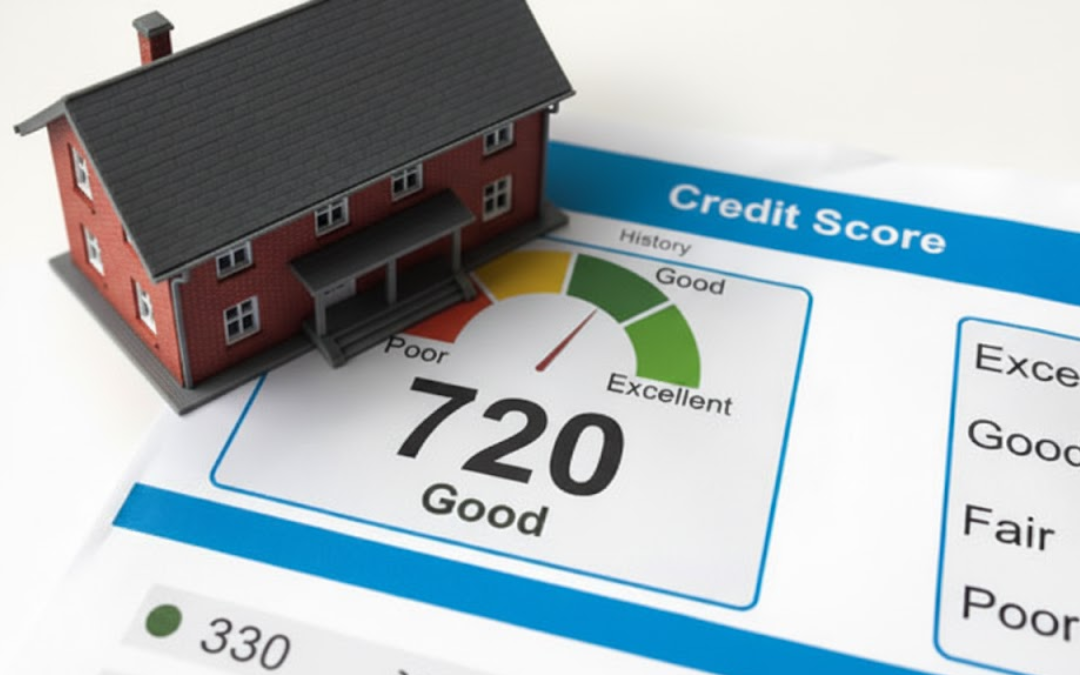
A credit score is kind of like a school report card for your money habits. It shows how well you handle borrowing and paying back money over time. This score is a number between 300 and 850, and the higher your number is, the better you look to banks and lenders.
They use this score to figure out how risky it would be to give you a loan. If your score is high, they see you as someone who’s more likely to pay them back without problems. If it’s low, they might worry a bit more. It’s just a tool they use to make decisions. When you’re trying to buy a home, your credit score becomes even more important. It affects if you get approved, how much you can borrow, and what your monthly payments will look like. That’s why knowing your score and working to improve it can really help before you start house shopping.
Here’s how it usually breaks down:
- Excellent: 750–850
- Good: 700–749
- Fair: 650–699
- Poor: 550–649
- Bad: below 550
If your score is somewhere in the mid-600s or higher, you’re already off to a good start. But the type of loan you apply for also plays a big part.
What Credit Score Do You Actually Need?
The score you need depends on the type of loan you get. Different loans have different minimums.
| Loan Type | Minimum Score Needed | Better Rates If Your Score Is |
| FHA Loan (great for first-time buyers) |
580 (with 3.5% down) or 500 (with 10% down) | 640+ |
| Conventional Loan | 620 | 740+ |
| VA Loan (for veterans) | No set minimum, but 620+ is common | 680+ |
| USDA Loan (for rural areas) | 640 | 680+ |
| Investment Property Loan | 640 to 700+ | 720+ |
FHA Loans
FHA loans are perfect if you’re a first-time buyer or still working on your credit. They’re easier to qualify for and only need a small down payment.

Conventional Loans
Conventional loans are what most people get from banks. A score of 620 can get you approved, but the higher your score is, the better your rate will be.

VA Loans
VA loans are made for veterans and active service members. They’re flexible, often don’t need a down payment, and work well if your score is around 620 or higher.
USDA Loans
USDA loans are great if you’re looking to buy a home in a rural or quiet suburban area. They offer low rates and sometimes no down payment at all.
Investment Property Loans
Investment Property Loans mean you’re buying a rental. Lenders like to see stronger credit for these. A higher score can help you get better rates and terms.
Why Your Credit Score Matters
Your credit score doesn’t just decide if you’ll get approved for a loan. It also affects how much you’ll pay every month.
A higher score means:
- Lower interest rates
- Smaller monthly payments
- More loan options
Even a small increase in your score can make a big difference. For example, if your score goes from 660 to 720, your interest rate could drop enough to save you thousands over the life of your mortgage. That’s money you could use for furniture, home upgrades, or even a vacation!
How to Improve Your Credit Score
If your credit score isn’t where you want it to be, don’t worry. You can raise it with a few smart habits.
Here’s where to start:
1. Payment On Time: This one really matters. If you miss a payment, even just once, it can bring your score down. Try setting reminders on your phone or use autopay so you don’t forget. Staying on top of your bills shows lenders that you’re responsible.
2. Keep Your Balances Low: If your credit cards are almost maxed out, your score will probably be going down because of it. Try to keep your balances low, especially under 30% of your credit limit. The lower the better.
3. Check Your Credit Reports for Errors: Mistakes happen. Go to AnnualCreditReport.com and check your reports from all three credit bureaus. If something looks wrong, dispute it. You might gain points just by clearing up errors.
4. Pay Off Existing Debt: The less debt you have, the better your credit score can be. Try to pay down any loans or credit card balances you already have.
5. Don’t Open New Credit Right Before Applying: Every time you apply for credit like a new credit card, it triggers a “hard inquiry,” which can dip your score a few points. Try to hold off until after you’ve closed on your home.
You Don’t Need a Perfect Score
You really don’t need a perfect credit score to buy a home. Most people don’t have perfect credit, and they still get approved for a mortgage every day. If your score is somewhere in the 600s, you still have good options to work with. And even if it’s lower than that, it doesn’t mean you can’t buy a home. It might just take a little more time and a few extra steps to get ready. What matters most is getting started and making small moves in the right direction. You’re not alone, and you can absolutely get there.
A Few Quick Examples
✅ First-time buyer?
You’re in a good spot. FHA loans are made for people starting out. They don’t need a high credit score and only ask for a small down payment.
✅ Looking to buy a rental or investment property?
You’ll usually need a higher credit score for these. Try to aim for 700 or above to get better chances and lower rates.
✅ Trying to fix your credit?
That’s totally okay. A lot of people are in the same boat. What matters is that you’re working on it. With time and a bit of effort, your score can go up.
Buying a home doesn’t have to feel impossible just because of your credit score. Improving your score takes time and consistency, but it’s completely doable. Start with the basics like paying your bills on time, keeping your balances low, and checking your credit report often to catch any mistakes. Every small step counts, and little by little, your score will start to rise. Stay patient, stay consistent, and keep your goal in mind. Before you know it, you’ll be walking through the front door of your very own home.
Thinking about buying a home soon? A-Line Realty is here to make it easier for you. We’ll guide you through every step, help you understand your options, and find a home that truly fits you. Reach out to us today and let’s start making your home dreams come true together.
0 Comments